“Red Valley” search results (500)

Kenyan Jinchu Valley characteristics of Kenyan Jinchu Valley
Kenyan coffee has many followers in the boutique coffee industry, and Kenyan AA has an extraordinary popularity. Kenyan coffee, known as the Cup of connoisseurs (ConnoisseursCup), is famous in the coffee industry for its rich aroma, bright and vibrant acidity, full and elegant mellowness and red wine flavor. Caffeine in different producing areas has its own fine due to the difference of microclimate.
2016-09-01 Kenya Jinchu flavor characteristics producing area coffee boutique owning public
Costa Rican Coffee Manor Goddess Manor introduces the Tarasu producing area in the western valley
Yellow honey: about 40% of the pectin is removed; the drying method requires the most direct heat absorption, receives the most light drying, and lasts for about 8 days to reach a stable water content. Red honey: about 25% of the pectin is removed; it takes longer to dry than yellow honey, and reduces direct exposure to sunlight, even in shading sheds, lasting about 12 days. Black honey: hardly removes pectin
2016-07-13 Costa Rica Coffee Manor Goddess introduction West Valley Tara Soviet region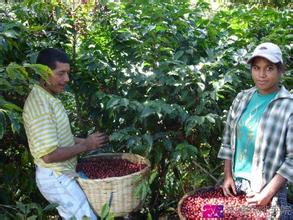
World Coffee Manor El Finca Loma La Gloria La Gloria. Introduction to the manor
Manor: Finca Loma La Gloria Raglory. Manor beans: red bourbon De Agustin de Augustine treatment: REPOSADOWASHEDSUNDRY dry fermentation washing natural drying cup test Cupping: red apple, chocolate, excellent round taste and aftertaste Chocolate, red apple, nice body andaftertaste, bold El Vola
2015-12-26 World Coffee Manor El Salvador Finca Loma Glori
Colombian boutique coffee beans introduce Huilan peach and plum valley
Three Colombian micro-batch beans: Cymbidium peach plum valley, Cymbidium Mercedes Manor, Golden Dior Mountains. Ikila City, where Taoli Valley Manor is located, has more than 300 years of history and culture, and the vast and sparsely populated natural environment has created favorable conditions for coffee cultivation. Ikila is located in Huilan province near Cauca province, so it combines a variety of high-quality characteristics of coffee from the two original areas. Which is attached
2015-09-01 Colombia boutique coffee beans introduction Huilan peach and plum three batch
Costa Rica Coffee Manor Goddess Manor Flavor introduction to the Western Valley
After picking, the coffee fruit is actually like a red cherry-shaped fruit. The coffee bean is the coffee core, wrapped by the peel, pulp and endocarp of the coffee fruit. The ripe coffee fruit should be treated immediately after picking to avoid corruption. The raw bean treatment of coffee is the process of removing the exocarp and pulp of coffee and then fermenting the seeds. Generally, it is common on the market at present.
2016-07-14 Costa Rica coffee manor goddess flavor taste introduction west valley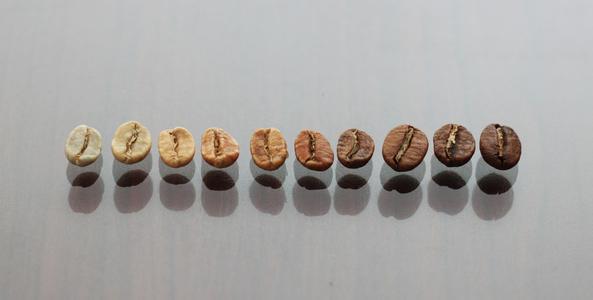
What is honey treatment? American Coffee Costa Rica SHB Coffee cooked beans Fire Phoenix Red Honey
Located in the fertile hills of the Poas volcano in the central valley of Costa Rica, Fenghuang Manor is the first producer in Central and South America to produce honey-treated and sun-cured coffee. It is a completely 100% organically grown coffee manor. The owner believes that organic farming is a better choice for environmental maintenance and family health, even in the face of many technical and organizational
2016-04-12 What processing America Coffee Costa Rica SHB cooked beans Fire Phoenix Red
Bright flavor of Kenya Jinchu Valley coffee flavor characteristics boutique coffee introduction
Kenya is 582646 square kilometers across the equator, bordering Somalia in the east, Ethiopia and South Sudan in the north, Uganda in the west and Tanzania in the south. It is bordered by the Indian Ocean in the southeast and has a coastline of 536 kilometers. [3]The coastal terrain is plain, and most of the rest is plateau with an average altitude of 1500 meters. Mount Kenya, Kenya's highest peak in the Great Rift Valley
2016-08-29 Bright Flavor Kenya Jinchu Coffee Taste Characteristics Boutique Introduction Kenny
Introduction of Salvadoran Coffee Flavor producing area and Manor (Siberia Manor)
1 Ruth introduces the estate LOMA LAGLORIA; 2, the production, treatment and cultivation of Salvadoran coffee; 3, red bourbon cup test of LOMA LAGLORIA fresh to Hong Kong (washing, dry fermentation, white honey, yellow honey treatment); (participants are invited to bring their own cup tester) Manor: Finca Loma LaGloria Lagoli. Manor bean seed: red bourbon De Ag
2016-06-16 El Salvador Coffee Flavor production area Manor introduction Sibei Leia Anny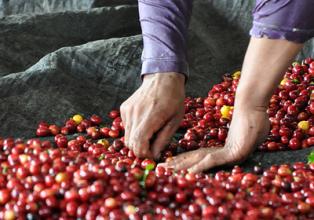
Sugar cane juice, red wine acid Kenyan Jinchugu coffee flavor, characteristics, taste and manor introduction
Enbu processing Plant (Embu Washing Station), which comes from Gichugu, adopts Kenyan double washing method and grows in Manyata-Enbu County on the eastern slope of the Kenyan Mountains from 1550 to 1750. The variety is Kenya's classic SL28,SL34, coupled with the large temperature difference between day and night in the deceived area, and the red phosphoric acid soil in Kenya, which makes the sour and sweet become the second order of this Kenyan branch.
2016-08-30 Sugar cane red wine fruit acid Kenya Jinchu coffee flavor taste manor
Red wine acidity, Sugar cane juice, Kenyan Jinchugu coffee flavor, characteristics, taste and manor introduction
Enbu processing Plant (Embu Washing Station), which comes from Gichugu, adopts Kenyan double washing method and grows in Manyata-Enbu County on the eastern slope of the Kenyan Mountains from 1550 to 1750. The variety is Kenya's classic SL28,SL34, coupled with the large temperature difference between day and night in the deceived area, and the red phosphoric acid soil in Kenya, which makes the sour and sweet become the second order of this Kenyan branch.
2016-08-30 Red wine fruit acid sugar cane Kenya Jinchu coffee flavor specialty taste manor
Sugar cane juice, sour red wine, Kenyan Jinchugu coffee flavor, characteristics, taste and manor introduction
Enbu processing Plant (Embu Washing Station), which comes from Gichugu, adopts Kenyan double washing method and grows in Manyata-Enbu County on the eastern slope of the Kenyan Mountains from 1550 to 1750. The variety is Kenya's classic SL28,SL34, coupled with the large temperature difference between day and night in the deceived area, and the red phosphoric acid soil in Kenya, which makes the sour and sweet become the second order of this Kenyan branch.
2016-08-31 Sugar cane red wine fruit acid Kenya Jinchu coffee flavor taste manor
The flavor, characteristics, taste and manor of Kenyan Jinchu Coffee with sour Sugar cane juice Red Wine
Enbu processing Plant (Embu Washing Station), which comes from Gichugu, adopts Kenyan double washing method and grows in Manyata-Enbu County on the eastern slope of the Kenyan Mountains from 1550 to 1750. The variety is Kenya's classic SL28,SL34, coupled with the large temperature difference between day and night in the deceived area, and the red phosphoric acid soil in Kenya, which makes the sour and sweet become the second order of this Kenyan branch.
2016-09-01 Sugar cane red wine fruit acid Kenya Jinchu coffee flavor taste manor
Kenyan Jinchu Coffee Variety characteristics of sour Red Wine introduction to Fine Coffee beans in Manor
Enbu processing Plant (Embu Washing Station), which comes from Gichugu, adopts Kenyan double washing method and grows in Manyata-Enbu County on the eastern slope of the Kenyan Mountains from 1550 to 1750. The variety is Kenya's classic SL28,SL34, coupled with the large temperature difference between day and night in the deceived area, and the red phosphoric acid soil in Kenya, which makes the sour and sweet become the second order of this Kenyan branch.
2016-09-01 Red wine fruit acid Kenya Jinchu coffee variety characteristics taste manor boutique
Red wine fruit acid Kenyan Jinchugu Coffee Variety characteristics introduction to Fine Coffee beans in Manor
Enbu processing Plant (Embu Washing Station), which comes from Gichugu, adopts Kenyan double washing method and grows in Manyata-Enbu County on the eastern slope of the Kenyan Mountains from 1550 to 1750. The variety is Kenya's classic SL28,SL34, coupled with the large temperature difference between day and night in the deceived area, and the red phosphoric acid soil in Kenya, which makes the sour and sweet become the second order of this Kenyan branch.
2016-09-01 Red wine fruit acid Kenya Jinchu coffee variety characteristics taste manor boutique
Sugar cane juice Red Wine Fruit Acid Kenyan Jinchu Coffee Flavor, characteristics, taste and Manor introduction
Enbu processing Plant (Embu Washing Station), which comes from Gichugu, adopts Kenyan double washing method and grows in Manyata-Enbu County on the eastern slope of the Kenyan Mountains from 1550 to 1750. The variety is Kenya's classic SL28,SL34, coupled with the large temperature difference between day and night in the deceived area, and the red phosphoric acid soil in Kenya, which makes the sour and sweet become the second order of this Kenyan branch.
2016-08-31 Sugar cane red wine fruit acid Kenya Jinchu coffee flavor taste manor
Fruit acid red wine Kenyan Jinchugu Coffee Variety Taste characteristics introduction of Fine Coffee beans in Manor
Enbu processing Plant (Embu Washing Station), which comes from Gichugu, adopts Kenyan double washing method and grows in Manyata-Enbu County on the eastern slope of the Kenyan Mountains from 1550 to 1750. The variety is Kenya's classic SL28,SL34, coupled with the large temperature difference between day and night in the deceived area, and the red phosphoric acid soil in Kenya, which makes the sour and sweet become the second order of this Kenyan branch.
2016-09-02 Fruit acid red wine Kenya Jinchu coffee variety taste characteristics manor boutique
Sugar cane juice, Kenyan Jinchu Coffee with sour red wine, its flavor, characteristics, taste and manor introduction
Enbu processing Plant (Embu Washing Station), which comes from Gichugu, adopts Kenyan double washing method and grows in Manyata-Enbu County on the eastern slope of the Kenyan Mountains from 1550 to 1750. The variety is Kenya's classic SL28,SL34, coupled with the large temperature difference between day and night in the deceived area, and the red phosphoric acid soil in Kenya, which makes the sour and sweet become the second order of this Kenyan branch.
2016-08-30 Sugar cane red wine fruit acid Kenya Jinchu coffee flavor taste manor
Introduction of fine coffee with fresh and bright taste in Ethiopian coffee manor
The Great Rift Valley of East Africa extends from the Dead Sea Jordan Valley of West Asia to the south of the Gulf of Aqaba through the Red Sea and runs through the central Ethiopian plateau from northeast to southwest. After arriving at Lake Abaya at the southern tip of Ethiopia, the Great Rift Valley divides into east and west branches and continues to extend south. The eastern branch rift is the main rift valley, which runs southward through the Kenyan highlands through Lake Turkana at the northern tip of Kenya and southwest through Lake Maniara.
2016-08-12 Taste Xinming bright Ethiopia coffee manor producing area flavor characteristics
Washed-naturally dried Salvadoran coffee flavor introduced to Mercedes Village in the Santa Ana Volcano region
1 Anny Ruth introduces the manor LOMA LAGLORIA; 2, the production, treatment and cultivation of Salvadoran coffee; 3, red bourbon cup test of fresh arrival LOMA LAGLORIA (washing, dry fermentation, white honey, yellow honey treatment); (participants are invited to bring their own cup tester) 4, interactive session, participants ask the manor owner questions about coffee: F
2016-07-05 Washing Natural dry El Salvador Coffee Flavor introduction Anna Volcano Earth
Costa Rican Coffee House-Diamond Hill Coffee House Costa Rican Coffee House
Costa Rican coffee cultivation was introduced from Cuba in 1779 and exported for the first time in 1820. There are about 32,000 coffee farmers in Costa Rica, with an average cultivation area of less than one hectare (10,000 m2) per farmer. Costa Rica has a population of 4.1 million (2006), coffee cultivation area of 82,500 hectares, annual production of 1.7 million bags (60kgs per bag), annual domestic consumption of 380,000 bags, flat
2016-03-30 Costa Rica Coffee Manor Introduction Rock Mountain Taste